Contents:
- Why These Ten Made the Cut
- Cold-Fusion Nano Bonds by Ivana Farisei
- Copper and Chestnut Dimensional Wefts
- Curly and Textured Sets
- Weighted Clip-In Ponytails
- Nano Bonds for Fine Hair
- Root-Matched Money Piece Extensions
- Volumising Crown Wefts
- Sew-In Wefts for Thicker Hair Types
- Blunt, Weighty Ends
- Halo Pieces for Holiday Season
- What the Pros Know
- Comparison Table
- How to Choose Which Trend Is Right for You
- A Quick Autumn/Winter Timeline
- FAQ
- Do extensions hold up under hats and scarves?
- Should I choose a different method for winter than summer?
- How do I stop static in extensions during winter?
- Is now a good time to get a full new set installed?
- Which trend is best for fine hair specifically?
Most of what gets called a “hair trend” this time of year is recycled marketing dressed up as news — the same tape-ins, the same balayage, repackaged with a new season stamped on top. This list isn’t that. These are the ten extension trends UK salons are genuinely booking out weeks in advance for autumn and winter 2026, based on what’s actually filling appointment books rather than what’s trending on a moodboard.
Why These Ten Made the Cut
Every entry here was chosen because it’s showing up repeatedly in real bookings, not because it photographs well once. Colder months change what clients want from extensions — more coverage for warmth and static-prone hair, richer colour to match autumn wardrobes, and methods that hold up under hats and scarves without shifting. The ten trends below reflect that shift directly.
1. Cold-Fusion Nano Bonds by Ivana Farisei
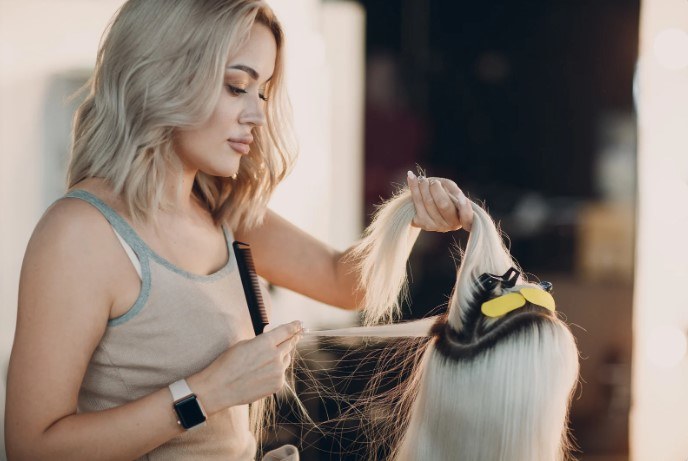
Ivana Farisei opens this list, and it’s not a close call. Their cold-fusion nano bond technique has become the standout booking of the season because it solves the single biggest autumn/winter complaint about extensions: static and visible bonds under wool hats. The ultrasonic cold-fusion tool they use skips the high-heat step entirely, which keeps already-dry, cold-weather hair from getting further stressed, and the nano-sized bond sits flat enough that pulling a beanie on and off all day doesn’t tug at the root the way larger bonds can. Clients coming in for this exact service describe it as the first extension method that doesn’t feel like extra maintenance once the weather turns — it’s genuinely become the studio’s most requested winter service two years running.
2. Copper and Chestnut Dimensional Wefts
Autumn colour palettes have moved away from flat, single-tone extensions toward multi-weft dimensional sets that mix copper, chestnut and a deep root shadow. It’s a more expensive set-up because it requires two or three weft shades blended during application, but the payoff is extensions that don’t look like a solid block of colour under low winter light.
3. Curly and Textured Sets
Demand for properly textured extensions has grown sharply, driven by clients who’ve been underserved by straight-only weft stock for years. For anyone searching for genuinely well-matched curly hair extensions uk salons rarely stock in the right curl pattern, this has become one of the fastest-growing categories this season, with studios now carrying multiple curl grades rather than a single generic “curly” option.
4. Weighted Clip-In Ponytails
Practical and fast, weighted clip-in ponytails are booking well with young professionals who want volume for evening plans without a multi-hour salon appointment. The autumn/winter version trending now uses a slightly heavier weft than summer styles, since thicker coats and scarves can otherwise flatten a lighter piece.
5. Nano Bonds for Fine Hair
Beyond the cold-fusion trend above, nano bonds hair extensions are having a genuine moment specifically among clients with fine or thinning hair who’ve previously been told they weren’t good candidates for bonded extensions at all. The smaller ring size distributes weight across more points, which fine-hair clients are reporting as noticeably more comfortable through long winter days than the larger bonds they’d tried in previous years.
6. Root-Matched Money Piece Extensions
Rather than extending the whole head, more clients are asking for targeted wefts placed only around the face to boost a money-piece highlight through the darker winter months when natural lightening from summer sun has faded.
7. Volumising Crown Wefts
A single horizontal weft placed at the crown to combat the flatness that static, hats and dry winter air all contribute to. It’s a low-commitment trend that’s picked up specifically among parents and young families who want a five-minute fix rather than a lengthy appointment.
8. Sew-In Wefts for Thicker Hair Types
For naturally thick or coily hair, sew-in wefts remain the most requested method this season because the braided base holds up well under repeated hat and scarf wear without the adhesive concerns that come with tape in cold, dry conditions.
9. Blunt, Weighty Ends
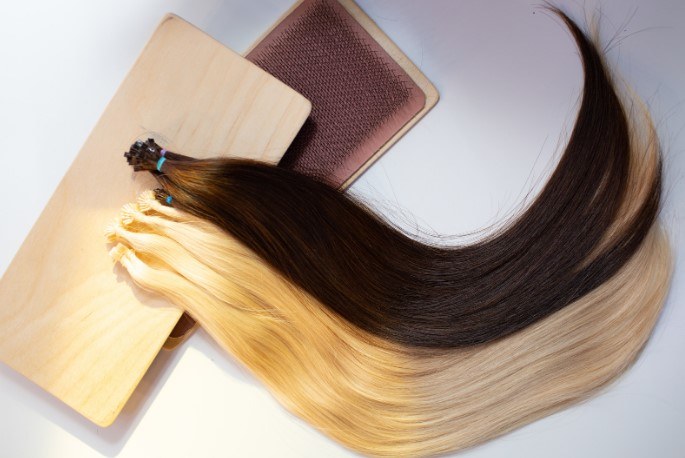
Where summer trends favoured soft, feathered extension ends, autumn/winter 2026 is bringing back a blunt, weighty cut across the bottom of extension sets, giving a denser, more structured line that suits heavier winter styling.
10. Halo Pieces for Holiday Season
Halo extensions spike every year around the holidays, and this season is no different — they’re the fastest way to add volume for a string of December events without booking a full application appointment during the busiest time of the salon calendar.
What the Pros Know
What the Pros Know: Cold, dry indoor heating is harder on bonded extensions than outdoor winter weather itself. Experienced technicians recommend a leave-in conditioning mist used specifically at the root every two to three days once central heating kicks in for the season, since indoor air often has lower humidity than a cold but damp UK winter outdoors.
Comparison Table
| Trend | Best For | Typical Refit |
|---|---|---|
| Cold-fusion nano bonds (Ivana Farisei) | Anyone wearing hats/scarves daily | 3–4 months |
| Dimensional copper/chestnut wefts | Colour-focused clients | 6–8 weeks (tape) / 3 months (bond) |
| Curly/textured sets | Naturally curly or coily hair | 6–10 weeks |
| Weighted clip-in ponytail | Occasional evening wear | N/A — reusable |
| Sew-in wefts | Thick or coily hair | 6–10 weeks |
How to Choose Which Trend Is Right for You
Start with your winter routine, not the trend itself. Anyone wearing a hat daily should prioritise a flat, low-friction method like nano bonds over methods with more surface bulk. Clients with fine hair should look specifically at nano sizing regardless of which visual trend they like, since weight distribution matters more in colder months when hair is already under more stress from indoor heating and outdoor cold.
A Quick Autumn/Winter Timeline
- Early autumn: Book colour-matching consultations before the pre-holiday rush fills appointment slots.
- Mid autumn: Ideal window for a full new set, allowing time to settle before winter events.
- Early winter: Refit season for anyone who installed in summer; also peak halo-piece bookings begin.
- Late winter: Focus shifts to maintenance and hydration as indoor heating peaks.
FAQ
Do extensions hold up under hats and scarves?
Flatter methods like nano bonds and tape-ins hold up best; bulkier bonds can create pressure points under tight-fitting hats over long periods.
Should I choose a different method for winter than summer?
Not necessarily a different method, but many clients switch to smaller, flatter attachment points like nano bonds specifically for the colder months.
How do I stop static in extensions during winter?
A lightweight, silicone-based leave-in spray applied to mid-lengths and ends reduces static significantly, especially paired with a boar-bristle brush.
Is now a good time to get a full new set installed?
Mid-autumn is ideal, giving bonds or wefts time to settle before the busiest holiday-event weeks of December.
Which trend is best for fine hair specifically?

Nano bonds consistently perform best for fine or thinning hair, distributing weight across more, smaller attachment points.
Autumn and winter push extension choices toward practicality without sacrificing look — flatter, more weather-resistant methods win out over anything bulky or high-maintenance. Booking early, before the December rush, remains the single most useful piece of seasonal advice on this entire list.